EAST ASIAN FOOTBALL FEDERATION







NEWS
![10MA TOPICS! [KOREA FA] Korea Republic beat Japan 1-0 to face Indonesia in last eight](https://image.eaff.com/index/7550.jpg)
![10MA TOPICS! [CHINA FA][AFC U23 ASIAN CUP] Group B: Winning farewell for China PR](https://image.eaff.com/index/7549.jpg)

![10MA TOPICS! [KOREA FA][AFC U23 ASIAN CUP] Hwang pleased with Korea Republic improvement, China PR display satisfies Cheng](https://image.eaff.com/index/7545.jpg)
![10MA TOPICS! [CHINA FA][AFC U23 ASIAN CUP] Group B: China PR 0-2 Korea Republic](https://image.eaff.com/index/7544.jpg)
![10MA TOPICS! [KOREA FA] Lee Youngjun strikes twice as Korea Republic beat China](https://image.eaff.com/index/7543.jpg)
![10MA TOPICS! [GUAM FA] Guam U17 Women’s Team defeats Saudi Arabia 3-1](https://image.eaff.com/index/7542.jpg)
![10MA TOPICS! [JAPAN FA] Japan legend Hasebe announces retirement](https://image.eaff.com/index/7541.jpg)

RELEASE




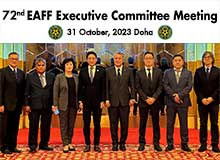

COLUMN
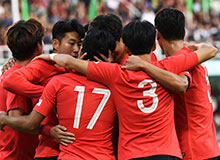
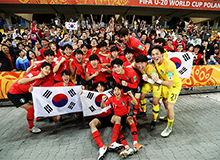

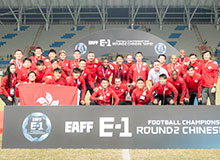

MOVIE




COMPETITION








10 MEMBER ASSOCIATIONS
Chinese
Football Association

Chinese Taipei
Football Association
DPR Korea
Football Association
Guam
Football Association

The Football Association of
Hong Kong, China Limited
Japan
Football Association

Korea
Football Association

Macau
Football Association

Mongolian
Football Federation

Northern Mariana Islands
Football Association
 EAST ASIAN FOOTBALL FEDERATION